
Eight homes with Build & Grow, no charity spec
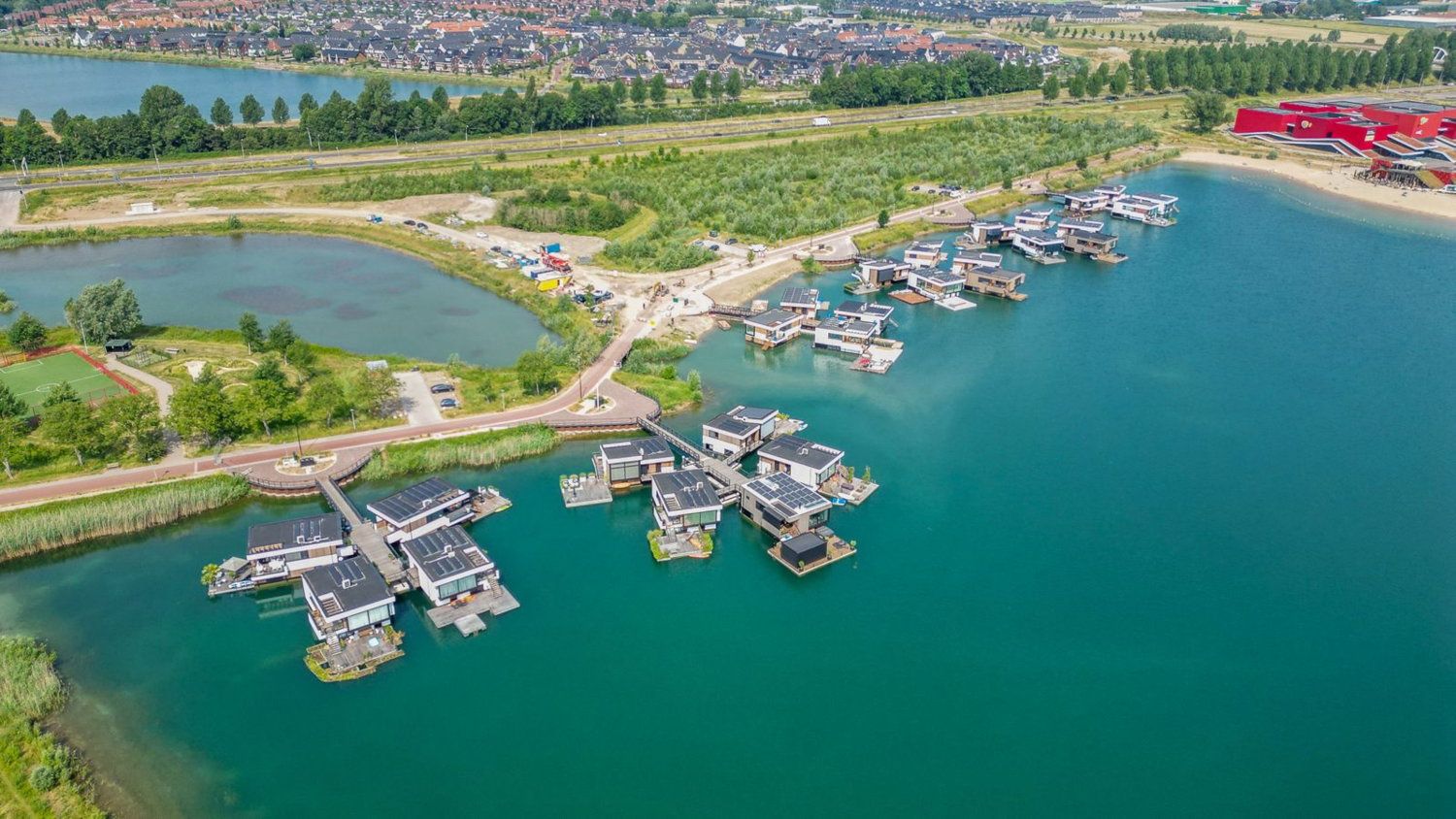
A charitable build is a stress test for an industrial system: limited budget, firm deadline, no slack for overruns. With Build & Grow, Uniqa has built eight homes under exactly those conditions, on the same production line that carries its commercial orders. For a developer assessing this factory, that is useful evidence.
Eight homes, built as a technical partnership
Build & Grow develops infrastructure with social impact, housing, educational spaces and community centres for vulnerable groups, through partnerships between the private sector and civic organisations. Uniqa works inside that framework as a technical partner. The contribution is specific: prefabricated timber-frame building elements, plus Uniqa's own technical teams taking part in the assembly on site. The most concrete result to date is eight homes built for a charitable project.
That is the entire arrangement: panels, technical teams, deadlines. What makes it worth a developer's attention is not the gesture. It is where the panels came from.
One production line, no parallel stream
The homes did not come from a parallel stream set up for the occasion. They went through the same industrial system that carries Uniqa's commercial orders: same panel production, same quality control, with production certified to ISO 9001, 14001 and 45001. Nothing in that chain is suspended because the client is a civic organisation rather than a developer.
One distinction is worth keeping precise. What flexes in these projects is commercial: building elements are supplied on conditions adapted to each initiative. What does not flex is technical: tolerances, materials, quality control. Adapted terms, constant standards.
Tight budgets are what the system is built for
Community projects tend to start from two hard constraints: a limited budget and a firm deadline. Those are exactly the conditions an industrialised system is built around. Off-site production delivers speed; the factory process delivers quality control and material efficiency. On a conventional site, budget slack absorbs weather, delay and rework. A charitable project has no slack to spend. Goodwill does not hold a schedule. A production line does.
The charitable work is not viable despite the industrial system. It is viable because of it. Speed, quality control and material efficiency are what make building on a limited budget and a firm deadline possible at all.
Delivery under constraint is evidence
If you are deciding whether to trust a factory with a housing programme, this is a data point worth having. Certificates describe a process; a project with no margin shows the process running. Eight homes for vulnerable groups, produced to commercial standards on a commercial line, say more about the discipline of a system than a statement of values would.